

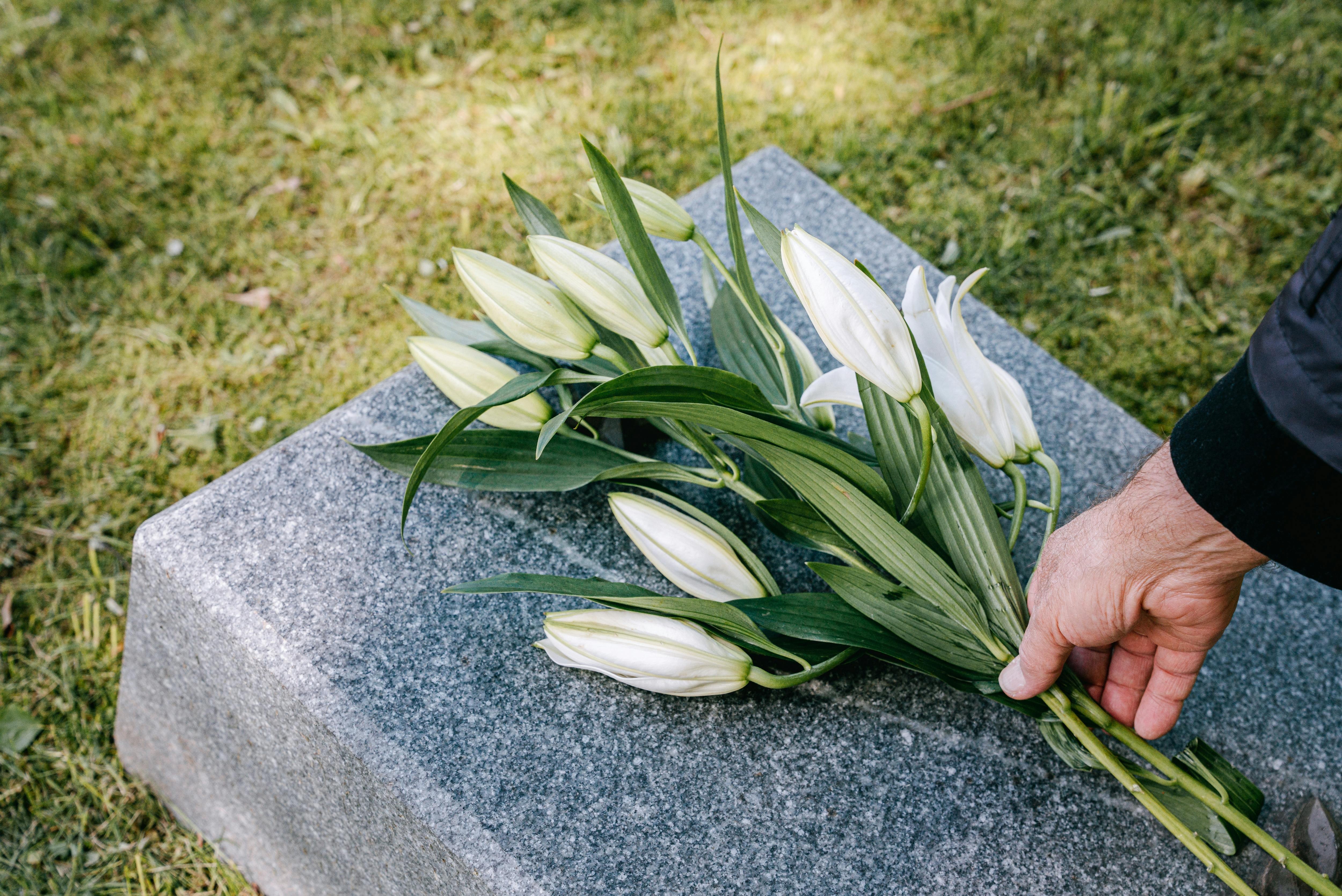
Arranging a funeral can be an emotional and overwhelming experience, and understanding burial fees is often one of the most difficult practical elements. In Wales, burial and cemetery fees are set by local authorities, meaning costs can vary considerably depending on where the burial takes place.
Each Welsh council acts as the burial authority for its area and sets its own charges for grave purchase, interment, burial of cremated remains and additional services such as weekend burials or memorial permits.
This guide brings together all local authorities across Wales, with links to official council pages so you can check the most accurate and up-to-date burial and cemetery fees while planning a funeral.
How Burial Fees Work in Wales
Burial costs are usually made up of:
-
The Exclusive Right of Burial – the right to use a grave for a fixed period (often 50–100 years)
-
The interment fee – the cost of the burial taking place
Additional charges may apply for:
-
Re-opening an existing grave
-
Burial of cremated remains
-
Weekend or bank holiday burials
-
Oversized coffins or vaults
-
Memorial permits, inspections and foundations
Many councils charge higher rates for non-residents, so it is important to check eligibility for resident fees.
Wales: Councils, Cemeteries & Official Burial Fee Links
North Wales
-
Anglesey County Council (Isle of Anglesey)
This link gives info on registering a death in Anglesea https://www.anglesey.gov.wales/en/Residents/Births-marriages-and-deaths/Deaths/Section.aspx
This page gives fees for the cemetery at Menai Bridge https://www.menaibridgetowncouncil.co.uk/cemetery/
-
Gwynedd Council
https://www.gwynedd.llyw.cymru/en/Residents/Births-marriages-deaths/Deaths-cemeteries-crematorium/Crematorium-and-cemeteries.aspx
-
Conwy County Borough Council
https://www.conwy.gov.uk/en/Resident/Births-marriages-and-deaths/Deaths/FuneralServices/Fees-and-charges/Home.aspx
-
Denbighshire County Council
https://www.denbighshire.gov.uk/en/documents/births-marriages-and-deaths/cemetery-services-fees-list-8-4-2024.pdf
-
Flintshire County Council
https://www.flintshire.gov.uk/en/Resident/Fees-and-Charges/Fees-and-Charges.aspx
-
Wrexham County Borough Council
https://www.wrexham.gov.uk/service/wrexham-cemetery/wrexham-cemeteries-ruabon-road-and-plas-acton-road-fees-and-charges
Mid Wales
-
Powys County Council
https://en.powys.gov.uk/article/5190/Burials-Licence-fees-and-charges
Burial services across towns and rural communities.
-
Ceredigion County Council
https://www.ceredigion.gov.uk/resident/births-deaths-marriages-civil-partnerships/cemeteries/cemetery-fees-and-charges/
South West Wales
-
Pembrokeshire County Council
https://www.pembrokeshire.gov.uk/cemeteries/two
-
Carmarthenshire County Council
https://www.carmarthenshire.gov.wales/media/inimcstn/fees-and-charges-2024.pdf
-
City and County of Swansea
https://www.swansea.gov.uk/burialandcremationfees
-
Neath Port Talbot Council
https://www.npt.gov.uk/births-deaths-and-marriages/deaths-and-funerals/cemeteries-and-burials/cemeteries-fees-and-charges-202526/
South East Wales
-
Cardiff Council
https://www.cardiffbereavement.co.uk/
Has contact details for the cemeteries but no fees information. Cardiff Council also offer a lower cost funeral for residents of Cardiff. Details can be found at https://www.cardiffbereavement.co.uk/cardiff-council-funeral-service/
-
Vale of Glamorgan Council
Cardiff and Glamorgan Memorial Park and Crematorium https://www.cardiffandglamorganmemorial.co.uk/services-and-facilities/cremation-and-burial-prices/ -
Merthyr Dyfan Cemetery https://www.barrytowncouncil.gov.uk/cemeteries/merthyr-dyfan-cemetery/
-
Bridgend County Borough Council
https://www.bridgend.gov.uk/residents/births-deaths-and-marriages/cemeteries/
-
Rhondda Cynon Taf Council https://www.rctcbc.gov.uk/EN/Resident/BirthsMarriagesandDeaths/Deaths/FuneralExpenses/Funeralexpenses.aspx
-
Merthyr Tydfil County Borough Council
https://www.merthyr.gov.uk/resident/births-deaths-marriages/bereavement-services/cemetery-fees-and-charges/
-
Caerphilly County Borough Council
https://www.caerphilly.gov.uk/services/births,-marriages,-deaths/bereavement-services/cemetery-fees?lang=en-GB
-
Blaenau Gwent County Borough Council
https://www.blaenau-gwent.gov.uk/en/resident/births-deaths-marriages/cemeteries/
-
Torfaen County Borough Council
https://www.torfaen.gov.uk/en/BirthsDeathsCeremonies/DeathsFuneralsCremations/BurialsCremations/BurialsandCremations.aspx
-
Monmouthshire County Council
https://www.monmouthshire.gov.uk/services/the-register-office/deaths-and-cemeteries/cemeteries-and-burials/policies-procedures-and-costs/
-
Newport City Council
https://www.newport.gov.uk/en/Care-Support/Cemeteries.aspx
What to Check When Comparing Burial Fees
When reviewing council burial charges, always look for:
-
Resident vs non-resident pricing
-
Length of the Exclusive Right of Burial
-
Fees for reopening existing family graves
-
Ashes burial vs full burial costs
-
Weekend and urgent burial surcharges
-
Memorial and headstone permissions
If information is not clearly listed online, councils will usually provide a full price list by phone or email.